

Modern medicine has evolved significantly, making major strides in diagnostic imaging, surgery, pharmaceuticals, and other advanced technologies. These developments have improved the prevention and treatment of illness and disease while increasing life expectancy. However, many people still experience persistent health concerns such as chronic pain, fatigue, stress, and sleep difficulties despite receiving appropriate medical attention.
Consider someone living with chronic pain, such as a veteran with a long history of musculoskeletal injuries or a cancer patient in recovery. Prescription medications may help reduce pain, but some medications can also cause side effects or create concerns about long-term dependence. While conventional medical solutions remain an integral part of treatment, they may not always address the broader effects of a condition or fully restore normal functioning.
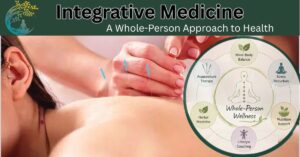
Integrative health combines conventional medical treatment with evidence-based complementary therapies and interventions such as physical therapy, acupuncture, exercise, nutrition, and behavioral health. The goal is to prevent disease when possible, reduce symptoms, support recovery, and promote overall wellbeing.
What is Integrative Medicine?
Integrative medicine is a whole-person approach to healthcare that considers more than an individual symptom or diagnosis. It recognizes that biological, psychological, social, environmental, and lifestyle factors can all influence a person’s health.
Rather than focusing exclusively on one health problem, integrative care examines how different aspects of a person’s wellbeing may be connected.
For example, chronic pain may interfere with sleep. Poor sleep can contribute to fatigue, stress, reduced physical activity, and changes in mood. Over time, these interconnected problems may have a significant impact on quality of life.
Integrative medicine aims to understand these relationships and develop a more comprehensive approach to care.
How Does Integrative Medicine Work?
Integrative medicine does not follow one universal treatment plan. Care is individualized according to the patient’s medical history, current health concerns, lifestyle, symptoms, personal goals, and existing treatments.
Depending on the individual, an integrative treatment plan may involve conventional medical care together with complementary approaches such as:
- Acupuncture
- Physical therapy
- Exercise and movement
- Nutritional guidance
- Stress management
- Behavioral health support
- Mindfulness and relaxation practices
- Sleep and lifestyle improvements
The specific combination should depend on the patient’s needs and the recommendations of appropriately qualified healthcare professionals.
Integrative Medicine Does Not Replace Conventional Care
An important principle of integrative medicine is that complementary therapies are not intended to replace necessary conventional medical treatment.
Instead, they may be incorporated alongside medications, procedures, rehabilitation, and other established treatments when considered appropriate and safe.
For example, a patient recovering from surgery may continue following their physician’s medical recommendations while also participating in physical therapy, improving nutrition, addressing sleep, or receiving an appropriate complementary therapy.
This coordinated approach allows different aspects of health and recovery to be addressed together.
The Role of Acupuncture in Integrative Medicine
Acupuncture is one complementary therapy that may be incorporated into an integrative healthcare plan.
It involves the insertion of very thin needles at specific points on the body by a trained practitioner. Acupuncture has been studied for a variety of symptoms and conditions, particularly certain types of pain.
Within an integrative care model, acupuncture may be considered alongside conventional treatment, physical therapy, exercise, nutrition, stress management, and other appropriate interventions.
The purpose is not to position acupuncture as a replacement for medical treatment. Instead, it may serve as one component of a broader treatment strategy designed around the patient’s individual circumstances.
Patients should discuss acupuncture with their healthcare providers when they have significant medical conditions, are undergoing cancer treatment, are recovering from surgery, take medications that affect bleeding, or have other circumstances that may influence treatment decisions.
Why Chronic Pain Often Requires a Whole-Person Approach
Chronic pain provides a useful example of why integrative care may involve multiple healthcare disciplines.
Persistent pain does not always affect only the injured or painful area. Over time, it can influence movement, sleep, work, relationships, stress levels, mood, and everyday activities.
A person experiencing chronic pain may gradually exercise less because movement is uncomfortable. Reduced activity may contribute to stiffness or physical deconditioning. Difficulty sleeping can increase fatigue, while ongoing discomfort may contribute to emotional distress.
Addressing only one part of this cycle may not address every factor affecting the person’s wellbeing.
A comprehensive care plan may therefore include medical evaluation, rehabilitation, appropriate pain management, physical activity, behavioral support, and complementary approaches when clinically appropriate.
The Connection Between Physical and Mental Wellbeing
Physical and emotional health are closely connected.
Living with chronic symptoms can contribute to stress, anxiety, frustration, changes in mood, and difficulty sleeping. At the same time, prolonged stress and inadequate sleep may affect how people experience pain, fatigue, and other symptoms.
Integrative medicine recognizes this relationship and may incorporate behavioral health, stress management, relaxation techniques, mindfulness, and lifestyle modifications as part of a broader care strategy.
This does not suggest that physical symptoms are simply psychological. Rather, it recognizes that physical and emotional factors can interact and influence overall wellbeing.
Nutrition, Exercise, and Lifestyle in Integrative Health
Daily habits can have a significant influence on long-term health.
Nutrition, physical activity, sleep, stress management, and other lifestyle factors may therefore be considered alongside medical treatment.
Exercise, for example, may help maintain strength, mobility, cardiovascular health, and general function when appropriate for the individual’s condition. Nutrition can support overall health and may be particularly important during recovery or when managing certain chronic conditions.
Sleep is another important consideration. Persistent sleep difficulties may affect energy, mood, concentration, and quality of life.
Integrative healthcare seeks to identify lifestyle factors that can realistically be improved rather than treating them as separate from medical care.
Patient-Centered and Individualized Care
At its core, integrative medicine focuses on patient-centered, individualized care.
Patients work with healthcare professionals to develop treatment plans that reflect their medical history, physical and emotional condition, lifestyle, existing treatments, and personal health goals.
This approach recognizes that two people with similar diagnoses may have very different needs.
For example, one patient experiencing chronic pain may primarily struggle with mobility, while another may experience significant sleep disruption and stress. Their treatment plans may therefore require different priorities.
Why Coordination Between Healthcare Providers Matters
Coordination of care is an important component of responsible integrative medicine.
A patient may receive care from a primary physician, specialist, physical therapist, acupuncturist, mental health professional, dietitian, or other qualified practitioners.
Communication between healthcare professionals can help ensure that complementary therapies are considered in the context of the patient’s existing diagnoses, medications, procedures, and treatment plans.
This is especially important for people with complex medical conditions or those receiving treatment from multiple providers.
Integrative Medicine and Preventive Health
Integrative medicine is not limited to managing existing symptoms. It may also emphasize habits that support long-term health and prevention.
This can include appropriate physical activity, balanced nutrition, adequate sleep, stress management, routine medical care, and attention to behavioral and environmental factors.
Preventive strategies should complement, rather than replace, recommended screenings, vaccinations, medical evaluations, and other evidence-based preventive healthcare.
Growing Interest in Integrative Healthcare
As research into complementary therapies continues to develop, major healthcare institutions have established programs that incorporate aspects of integrative medicine into patient care.
Institutions such as Mayo Clinic, Harvard Medical School, Johns Hopkins Medicine, Stanford Health Care, and UCSF Health have developed programs or educational resources addressing integrative and complementary approaches.
This reflects growing interest in healthcare models that consider physical symptoms together with mental health, lifestyle, rehabilitation, and long-term wellbeing.
Who May Consider Integrative Medicine?
People may explore integrative healthcare for a variety of reasons. It may be considered by individuals dealing with persistent pain, recovery from illness or medical procedures, stress, sleep difficulties, or other ongoing health concerns.
However, integrative care should remain individualized.
A therapy that is appropriate for one person may not be appropriate for another. Patients with serious or persistent symptoms should receive proper medical evaluation and discuss complementary treatments with qualified healthcare professionals.
Questions to Ask Before Starting a Complementary Therapy
Before adding acupuncture or another complementary approach to an existing healthcare plan, patients may want to ask:
- Is this therapy appropriate for my specific health condition?
- Could it interact with my current treatment or medications?
- What evidence supports its use for my symptoms?
- What qualifications should the practitioner have?
- How will we evaluate whether the treatment is helping?
- Should my physician or specialist be informed?
These questions can help patients make more informed healthcare decisions.
A More Comprehensive View of Health
Integrative medicine recognizes that health is influenced by more than a single symptom, diagnosis, or treatment.
Conventional medical care remains essential for diagnosing and treating disease. Integrative healthcare expands the perspective by considering how physical health, emotional wellbeing, rehabilitation, nutrition, movement, sleep, stress, and appropriate complementary therapies may work together.
When properly coordinated, this whole-person approach can help create a healthcare plan that is individualized, evidence-informed, and focused not only on managing symptoms but also on supporting function, recovery, and overall quality of life.
References
National Center for Complementary and Integrative Health. “Complementary, Alternative, or Integrative Health: What’s in a Name?” April 2021.
National Cancer Institute. “Complementary and Alternative Medicine (CAM).” October 31, 2024.
Gannotta, R., Malik, S., Chan, A. Y., Urgun, K., Hsu, F., & Vadera, S. “Integrative Medicine as a Vital Component of Patient Care.” Cureus, 10(8), e3098, 2018.
2 Responses