


Understanding Acupuncture as a Healing Practice
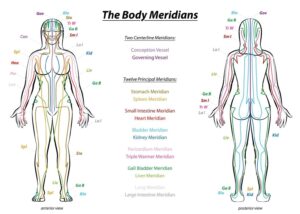
Acupuncture is a cornerstone of Traditional Chinese Medicine that has been practiced for more than 2,000 years. It is based on the concept of qi, the body’s vital life energy that flows through specific pathways known as meridians.
When the flow of qi becomes blocked or imbalanced, it can lead to physical discomfort and emotional disturbances such as stress and anxiety. Acupuncture involves the insertion of very fine needles at specific points on the body to restore this balance and promote overall well being.
Unlike symptom focused treatments, acupuncture aims to address the root cause of stress, helping the body regain its natural equilibrium.
The Connection Between Stress and the Body
Stress isn’t just all in your head. It impacts your whole body. Stress can keep you awake at night, lower your immunity, raise your blood pressure and cause gastrointestinal problems.
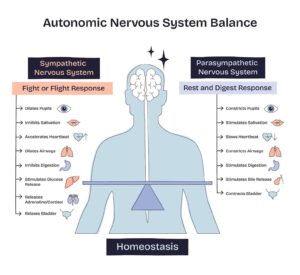
When you are stressed, your body is in sympathetic overdrive also known as fight or flight response. This is helpful when dealing with short instances of stress.
Common Effects of Chronic Stress
- Persistent fatigue and low energy
- Anxiety and mood instability
- Insomnia or disturbed sleep
- Muscle tension and headaches
- Digestive discomfort
Acupuncture works by helping the body shift away from this constant state of alertness into a more relaxed and restorative state.

How Acupuncture Helps Reduce Stress
Acupuncture supports stress relief through several biological and neurological mechanisms. One of the most widely discussed is its effect on the nervous system.
Key Ways Acupuncture Supports Stress Reduction
- Regulates the Nervous System
Acupuncture helps balance the autonomic nervous system. It reduces overactivity in the sympathetic system and promotes the parasympathetic response, which is responsible for rest and recovery. - Stimulates Endorphin Release
The treatment encourages the release of natural feel good chemicals in the brain, improving mood and reducing anxiety. - Improves Blood Circulation
Enhanced circulation supports oxygen flow to tissues and organs, reducing physical tension and fatigue. - Supports Hormonal Balance
Acupuncture may influence cortisol levels, helping the body manage stress more effectively. - Encourages Deep Relaxation
Many patients report a calm and meditative state during and after sessions.
The Essence of Self Healing
One acupuncture principle that I love is letting the body heal itself. Acupuncture doesn’t force anything to happen but allows the body to correct itself.
It’s similar to when there’s traffic on the road. Once the congestion is cleared everything moves along just fine. Once we clear the body’s energy traffic, we remove the blocks and the body kicks into healing mode.
Why This Approach Matters
- It addresses underlying causes rather than temporary symptoms
- It supports long term emotional and physical resilience
- It works in harmony with the body’s natural systems
This philosophy is central to the way acupuncture is practiced at established centers such as Drlee Acusuccess, where treatments are designed to support holistic healing.
What to Expect During an Acupuncture Session
For individuals new to acupuncture, understanding the process can ease any concerns. The treatment is generally gentle, safe, and tailored to individual needs.
Typical Session Experience
- Initial consultation to assess stress levels and health history
- Identification of specific acupuncture points based on symptoms
- Placement of thin, sterile needles in targeted areas
- A resting period of 15 to 30 minutes
- Post session relaxation and gradual recovery
Most people feel minimal discomfort, and many describe the experience as calming and restorative.
Benefits of Acupuncture for Stress Management
Acupuncture offers a wide range of benefits beyond immediate relaxation. Its holistic nature means it supports multiple aspects of well being simultaneously.
Physical Benefits
- Reduced muscle tension
- Improved sleep quality
- Enhanced immune response
- Better digestion
Emotional Benefits
- Lower anxiety levels
- Improved mood stability
- Greater mental clarity
- Increased emotional resilience
Lifestyle Benefits
- Improved productivity and focus
- Better work life balance
- Greater sense of calm in daily routines
These benefits make acupuncture a valuable option for individuals seeking sustainable stress management solutions.
Scientific Perspective on Acupuncture and Stress
Contemporary science is beginning to understand acupuncture’s effects on the body. Recent studies have shown acupuncture can help modulate neurotransmitters, decrease inflammation, and balance stress hormones.
Acupuncture’s Nervous System Modulation theory shows acupuncture moves the body out of the stress state into a relaxation state. It calms the sympathetic nervous system by decreasing fight or flight response and allows the parasympathetic nervous system to encourage rest and digest state.
This allows the body to rest, recover, regulate emotions and maintain health.
Who Can Benefit from Acupuncture for Stress
Acupuncture is suitable for a wide range of individuals experiencing different forms of stress.
Ideal Candidates Include
- Professionals dealing with work pressure
- Students facing academic stress
- Individuals with anxiety or mild depression
- People experiencing sleep disturbances
- Anyone seeking natural wellness support
It is important to consult a qualified practitioner to ensure the treatment plan is appropriate and safe.
Integrating Acupuncture into a Stress Management Routine
Acupuncture works best when combined with other healthy lifestyle practices. It should be viewed as part of a broader wellness strategy.
Complementary Practices
- Mindfulness and meditation
- Regular physical activity
- Balanced nutrition
- Adequate sleep
- Time management techniques
By integrating these habits, individuals can enhance the long term benefits of acupuncture.
How Drlee Acusuccess Supports Stress Relief
Ask about acupuncture clinics that stress the importance of a patient centered approach when searching acupuncture in san diego. At DrLee Acusuccess, we take the time to get to know each patient’s stress response and general health picture.
We believe in customized treatments, not cookie cutter approaches. Patients are assessed on how they live their life and what they need to feel better. Emotional state, diet and symptoms are all taken into consideration when developing a strategic plan.
We use tried and true acupuncture techniques and combine them with an understanding of the effects stress has on the body. Our patients often leave our office feeling relaxed and rejuvenated from their session, but also benefit from long term results.
Why Consistency Matters in Acupuncture Treatment
Acupuncture is not a one time solution. Consistency plays a key role in achieving lasting results.
Recommended Approach
- Begin with regular sessions, often weekly
- Monitor changes in stress levels and overall health
- Adjust treatment frequency based on progress
- Maintain sessions for ongoing support
Over time, the body becomes more responsive, and the benefits become more noticeable and sustained.
Common Myths About Acupuncture for Stress
Despite its growing popularity, acupuncture is still surrounded by misconceptions.
Myth vs Reality
- Myth: Acupuncture is painful
Reality: The needles are extremely thin and cause minimal discomfort - Myth: It only works for physical pain
Reality: It is highly effective for emotional and mental health - Myth: Results are immediate and permanent
Reality: Benefits improve with consistent sessions
Understanding these facts helps individuals make informed decisions about their health.
Conclusion
Acupuncture offers a natural and effective way to manage stress by addressing both physical and emotional imbalances. Its focus on restoring the body’s natural energy flow and activating self healing mechanisms makes it a valuable addition to modern wellness practices.
By regulating the nervous system, improving circulation, and promoting relaxation, acupuncture helps individuals move away from chronic stress and toward a more balanced life. Clinics such as Dr. Lee Acusuccess demonstrate how traditional methods can be applied in a modern setting to support long term well being.
For those exploring holistic options for stress relief, acupuncture presents a thoughtful and evidence informed path toward calm, clarity, and resilience.
FAQs
1. How many acupuncture sessions are needed for stress relief
The number varies depending on individual stress levels. Many people notice improvement after a few sessions, but consistent treatment provides better results.
2. Is acupuncture safe for stress management
Yes, when performed by a qualified practitioner, acupuncture is considered safe and has minimal side effects.
3. Can acupuncture help with anxiety and sleep problems
Yes, acupuncture can support relaxation, reduce anxiety, and improve sleep quality by calming the nervous system.
4. Does acupuncture provide immediate relief
Some individuals feel relaxed after the first session, while others may require multiple sessions for noticeable changes.
5. Is acupuncture a replacement for medical treatment
Acupuncture complements medical care but should not replace professional medical advice or treatment when needed.